FDA LISTING INC: EXPERIENCED ADVISORS FOR FULL-SERVICE FDA REGISTRATION & COMPLIANCE
+1 212 444 8202


U.S. FDA Registration
& Labeling Compliance Assistance
FDA OTC Drug Monographs
FDA OTC drug monographs provide the basic rules for many nonprescription drug products sold in the United States. Depending on the product type, a monograph may identify accepted active ingredients, strength ranges, product uses, dosage forms, Drug Facts information, directions, warnings, and other labeling points.
This page provides a simple overview of common OTC drug product categories and the FDA monographs that may relate to them. It can help manufacturers, brand owners, importers, distributors, and private-label companies identify the likely category for a product before moving forward with FDA establishment registration, NDC labeling, drug listing, or label review.
Common OTC Drug Product Categories
Categories are listed by common product type. FDA monograph numbers and titles are included for reference. Select a category to review a simplified summary of commonly used ingredients, product uses, and basic FDA compliance information.
Sunscreen Products
Monograph M020 – 21 CFR 352The FDA sunscreen monograph covers SPF lotions, creams, sticks, sprays, mineral sunscreens, and related labeling requirements.
Topical Pain Relief & Numbing Products
Monograph M017 – 21 CFR 348FDA’s external analgesic monograph addresses muscle rubs, topical pain creams, menthol products, capsaicin creams, and certain numbing products.
Acne & Pimple Treatment Products
Monograph M006 – 21 CFR 358The FDA acne monograph includes requirements for acne cleansers, face washes, gels, creams, spot treatments, and common OTC acne ingredients.
Antiseptic & Hand Sanitizer Products
Monograph M003 – 21 CFR 333FDA Monograph M003 covers certain first-aid antiseptics, antiseptic products, hand-sanitizer formulations, active ingredients, and Drug Facts labeling.
Skin Protectant & Diaper Rash Products
Monograph M016 – 21 CFR 347The FDA skin protectant monograph includes certain diaper-rash creams, chafing products, lip protectants, and topical skin-protection products.
Athlete’s Foot & Ringworm Products
Monograph M005 – 21 CFR 333FDA’s antifungal monograph applies to certain athlete’s-foot creams, ringworm products, powders, and common antifungal active ingredients.
First-Aid Antibiotic Products
Monograph M004 – 21 CFR 333The first-aid antibiotic monograph addresses certain topical antibiotic creams and ointments for minor cuts, scrapes, and similar minor skin injuries.
Eye Drop & Ophthalmic Products
Monograph M018 – 21 CFR 349FDA Monograph M018 covers certain ophthalmic products, including eye drops, eye washes, lubricating products, and redness-relief products.
Dandruff & Medicated Scalp Products
Monograph M032 – 21 CFR 358The FDA dandruff, seborrheic dermatitis, and psoriasis monograph covers medicated shampoos and selected scalp-treatment products.
Pain Reliever & Fever Reducer Products
Monograph M013 – 21 CFR 343FDA’s internal analgesic and antipyretic monograph covers certain oral pain relievers, fever reducers, and headache products.
Important Information
The summaries on this page are for general reference and do not include every active ingredient, product condition, labeling point, or later FDA update. For the complete and current monograph information, including full active-ingredient lists and related FDA materials, please review the official FDA OTC Monographs resource.
FDA OTC Drug Compliance Services
Choosing the right monograph for an OTC product calls for a careful look at the active ingredients, strength, product use, dosage form, claims, and labeling. If you need assistance, our team can help with:
- Drug Establishment Registration
- OTC Drug Listing
- NDC Labeler Code
- Drug Master File
- OTC Drug Label Review
Need help with an OTC drug product? Contact us for support with FDA registration, drug listing, labeling, and related compliance needs.
_______ Related Services _______



Frequently Asked Questions (FAQ)
What is an FDA OTC drug monograph?
An FDA OTC drug monograph is a set of FDA rules for certain nonprescription drug products. It may list accepted active ingredients, strength ranges, product uses, dosage forms, labeling, directions, warnings, and other product conditions.
Does an OTC monograph mean the product is FDA approved?
No. OTC monograph products are not individually FDA approved in the same way as products marketed under an approved new drug application. A product must fit the applicable monograph and meet other FDA requirements before it is marketed.
How do I know which FDA monograph may apply to my product?
Start with the product’s active ingredient, intended use, dosage form, route of use, and planned label claims. The monograph title by itself may not be enough to determine whether a product fits.
Do OTC drug manufacturers need FDA registration?
Drug establishments that manufacture, prepare, process, package, or relabel OTC drug products generally need FDA establishment registration and must list applicable drug products. Requirements depend on the company’s activities.
Does an OTC drug product need an NDC number?
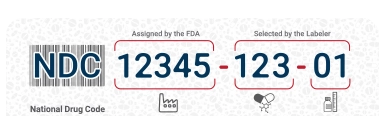
OTC drug products generally need an appropriate National Drug Code configuration for drug listing. The responsible labeler normally obtains an FDA NDC labeler code and uses it to create the product and package codes.
Can a cosmetic product become an OTC drug?
Yes. A cosmetic can be regulated as a drug when its claims say or suggest that it treats, prevents, or affects the body. For example, claims involving acne treatment, sunscreen protection, dandruff treatment, pain relief, or antiperspirant use can place a product under FDA drug requirements.
_______ Related Services _______