FDA LISTING INC: EXPERIENCED ADVISORS FOR FULL-SERVICE FDA REGISTRATION & COMPLIANCE
+1 212 444 8202


U.S. FDA Registration
& Labeling Compliance Assistance
FDA Sunscreen Monograph M020
FDA Sunscreen Monograph M020 outlines conditions that may apply to over-the-counter sunscreen drug products marketed in the United States, including permitted active ingredients, concentration limits, labeling, testing, and related compliance requirements.
OTC Monograph M020: Sunscreen Drug Products
Sunscreen products marketed with SPF, sun-protection, broad-spectrum, or water-resistance claims are generally regulated as OTC drug products in the United States. FDA Monograph M020 covers many topical sunscreen dosage forms, including lotions, creams, sticks, sprays, gels, and oils.
For brand owners, importers, private-label companies, and manufacturers, key compliance considerations include permitted UV active ingredients and concentrations, SPF and broad-spectrum claims, applicable testing, Drug Facts labeling, and FDA drug establishment registration and drug-listing requirements.
Sunscreen Product Categories
FDA Monograph M020 may apply to sunscreen lotions, creams, gels, sticks, balms, sprays, oils, mineral sunscreen products, facial sunscreens, daily moisturizers with SPF, broad-spectrum products, water-resistant products, children’s sunscreens, and sport sunscreens.
The product format alone does not determine whether a product fits the monograph. Also review the active ingredients, their concentration, the finished product’s SPF claim, supporting testing, dosage form, directions for use, and labeling.
Common Sunscreen Active Ingredients
Below is the reference schedule of recognized active ingredients, maximum permitted concentration levels, and standard product designations under FDA OTC Monograph M020:
| Active Ingredient | Maximum Concentration | Common Product Terms |
|---|---|---|
| Zinc oxide | Up to 25% | Mineral sunscreen, zinc sunscreen, sensitive-skin sunscreen |
| Titanium dioxide | Up to 25% | Mineral sunscreen, physical sunscreen, SPF cream |
| Avobenzone | Up to 3% | Broad-spectrum sunscreen, chemical sunscreen |
| Bemotrizinol | Up to 6% | Broad-spectrum sunscreen, UVA/UVB sunscreen |
| Octocrylene | Up to 10% | Broad-spectrum sunscreen, sunscreen lotion |
| Octisalate | Up to 5% | SPF lotion, daily facial sunscreen |
| Homosalate | Up to 15% | Sunscreen lotion, body sunscreen |
| Octinoxate | Up to 7.5% | Facial sunscreen, chemical sunscreen |
| Oxybenzone | Up to 6% | Broad-spectrum sunscreen, UV-filter product |
| Ensulizole | Up to 4% | Lightweight sunscreen, facial SPF product |
Key Sunscreen Labeling Points
Review sunscreen labeling as part of the finished product’s overall compliance position. Claims, active ingredients, testing records, product format, Drug Facts content, principal display panel statements, and online marketing should align with the product’s applicable conditions.
SPF Claims
The SPF value displayed on a sunscreen label should be supported by applicable SPF testing of the finished product. The stated SPF, product dosage form, directions for use, Drug Facts content, and related marketing materials should match the product tested.
For example, a brand should not use an SPF 50 claim for a reformulated product solely because an earlier formula was tested as SPF 50. Material changes to active ingredients, concentration, vehicle, or product format may affect the compliance assessment.
Broad-Spectrum Claims
“Broad Spectrum SPF” claims require applicable broad-spectrum testing. A sunscreen that does not meet the required broad-spectrum test should not be labeled or promoted as broad-spectrum.
Broad-spectrum labeling relates to protection across both UVA and UVB wavelengths. The claim should appear consistently across the principal display panel, Drug Facts label, product packaging, website copy, retailer listings, and advertising.
Water-Resistance Claims
Support a water-resistance claim with applicable testing of the finished product. When the conditions for the claim are met, sunscreen labeling may state “Water Resistant (40 minutes)” or “Water Resistant (80 minutes),” as applicable. The time statement should reflect the test-supported duration and should be presented consistently on packaging, the Drug Facts panel, ecommerce listings, website copy, and promotional materials. Do not use terms such as “waterproof” or “sweatproof” in place of a compliant water-resistance claim.
Drug Facts Labeling
Sunscreen products should include appropriate Drug Facts information, including active ingredients, purpose, uses, warnings, directions, and inactive ingredients. The Drug Facts panel should correspond to the finished product that is commercially distributed.
Review front-label statements, product name, SPF number, broad-spectrum claims, water-resistance claims, website content, retailer product descriptions, and advertising for consistency with the Drug Facts panel. For products that pass the applicable broad-spectrum test, FDA labeling requirements specify the statement “Broad Spectrum SPF [value]” on the principal display panel.
FDA Monograph Information
This page provides a simplified overview of FDA OTC Monograph M020. It does not include every ingredient condition, dosage-form requirement, testing requirement, labeling detail, or FDA administrative order that may apply to a specific sunscreen product.
For complete and current requirements, including active-ingredient conditions and administrative orders applicable to OTC sunscreen drug products, review the related official FDA monograph resource.
FDA Sunscreen Compliance Services
Sunscreen compliance involves more than selecting UV filters. A product review may include active ingredients, concentration levels, SPF claims, broad-spectrum and water-resistance claims, Drug Facts labeling, manufacturing activities, and drug-listing information.We assist with:
- Drug Establishment Registration
- OTC Drug Listing
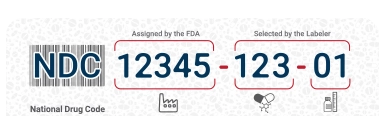
- NDC Labeler Code
- OTC Drug Label Review
- Drug Master File
_______ Related Services _______


Frequently Asked Questions (FAQ)
Is sunscreen regulated by FDA as a drug?
What is FDA Sunscreen Monograph M020?
Does a sunscreen need to be FDA approved?
What does “Broad Spectrum SPF” mean?
Can a sunscreen be labeled waterproof or sweatproof?
Does every sunscreen need a Drug Facts panel?
Does a sunscreen product need FDA drug listing?
_______ Related Services _______