FDA LISTING INC: EXPERIENCED ADVISORS FOR FULL-SERVICE FDA REGISTRATION & COMPLIANCE
+1 212 444 8202


U.S. FDA Registration
& Labeling Compliance Assistance
FDA Pain Reliever Monograph M013
FDA OTC Monograph M013 addresses certain internal analgesic, antipyretic, and antirheumatic drug products marketed for over-the-counter human use. It includes applicable acetaminophen, aspirin, buffered aspirin, and salicylate products.
For brand owners, manufacturers, importers, private-label distributors, repackagers, and relabelers, compliance may involve active ingredients, dosage strength, dosage form, Drug Facts labeling, required warnings, directions, product claims, establishment registration, and drug-listing requirements.
OTC Monograph M013: Internal Analgesic, Antipyretic, and Antirheumatic Drugs
Internal analgesic products are intended to relieve pain, while antipyretic products are intended to reduce fever. M013 may apply to certain oral pain-relief and fever-reduction products, including tablets, caplets, capsules, powders, granules, and liquids. M013 conditions generally depend on the active ingredient, amount per dosage unit, dose interval, maximum daily use, intended use, age group, dosage form, directions, warnings, and permitted ingredient combinations. Unlike many topical OTC monographs, M013 does not generally use percentage-based concentration ranges.
Common OTC NSAID products containing ibuprofen, naproxen sodium, or ketoprofen are not M013 monograph drugs. These products are generally marketed under approved NDA or ANDA pathways and should not be evaluated as M013 products simply because they are sold without a prescription.
Pain Reliever and Fever Reducer Product Categories
M013 may apply to qualifying oral pain relievers, fever reducers, headache products, acetaminophen products, aspirin products, buffered aspirin products, salicylate products, tablets, caplets, capsules, powders, and liquids.
A product should not be treated as an M013 monograph product based solely on a “pain reliever” or “fever reducer” claim. The active ingredient, strength, intended use, dosage form, directions, warnings, and ingredient combinations should align with applicable M013 conditions. Review products containing ibuprofen, naproxen sodium, or ketoprofen under their applicable NDA or ANDA regulatory pathway rather than M013.
Common Internal Analgesic and Antipyretic Active Ingredients
| Active Ingredient | Typical Product Category | Common Product Terms |
|---|---|---|
| Acetaminophen | Pain reliever and fever reducer | Acetaminophen tablets, pain reliever, fever reducer, headache relief |
| Aspirin | Pain reliever, fever reducer, and salicylate product | Aspirin tablets, pain reliever, fever reducer, headache product |
| Buffered aspirin | Aspirin with acid-neutralizing ingredients | Buffered aspirin tablets, aspirin pain reliever |
| Carbaspirin calcium | Aspirin-equivalent analgesic product | Aspirin-equivalent pain reliever |
| Choline salicylate | Salicylate pain-relief product | Salicylate pain reliever |
| Magnesium salicylate | Analgesic and antirheumatic product | Muscle-ache relief, arthritis pain relief |
| Sodium salicylate | Salicylate analgesic product | Salicylate pain-relief product |
M013 conditions are generally based on the amount per dosage unit, dose interval, maximum daily dose, age group, dosage form, and permitted combination—not a simple percentage concentration. Review the finished product for applicable dosage, directions, warnings, and labeling conditions.
M013 also includes conditions for certain combination products. Aspirin may be combined with qualifying antacid ingredients, while other combination pain-relief products may be subject to additional OTC monograph requirements. Each active ingredient must meet its applicable dosage, labeling, warning, and combination conditions.
Key Pain Reliever and Fever Reducer Labeling Points
Review pain-reliever and fever-reducer labeling as part of the finished product’s overall compliance position. Active ingredients, dosage strengths, intended use, dosage form, Drug Facts content, warnings, directions, principal display panel statements, and online marketing should align with the finished product.
Product Claims
Pain-reliever and fever-reducer claims should match the active ingredient, dosage strength, intended use, and finished dosage form. Depending on applicable product conditions, products may be marketed for temporary relief of minor aches and pains, headache, muscular aches, toothache, backache, menstrual cramps, minor arthritis pain, and temporary fever reduction.
A product should not use broader claims for treating chronic pain, migraine disease, inflammation, nerve pain, viral infections, heart disease, stroke prevention, or other conditions unless those claims are supported through an appropriate regulatory pathway. Claims on packaging, ecommerce listings, retailer descriptions, websites, social media, and advertising should match the Drug Facts panel.
Active Ingredient Statements
The Drug Facts panel should list each active ingredient and its amount per dosage unit, along with its purpose. The product name, front-label claims, and terms such as “pain reliever,” “fever reducer,” “aspirin,” “acetaminophen,” or “headache relief” should be consistent with the product’s active ingredient and permitted intended use.
If an internal analgesic product contains more than one active ingredient, review the formulation and labeling for applicable combination conditions. Do not assume that separately permitted ingredients can be combined in any dosage strength, dosage form, or claim combination.
Warnings and Directions
Internal analgesic products require ingredient-specific warnings and directions. Acetaminophen products require a liver warning addressing severe liver-damage risk when consumers take more than the maximum daily amount, use other products containing acetaminophen, or consume three or more alcoholic drinks every day while using the product.
Aspirin and applicable salicylate products require a stomach-bleeding warning. Aspirin products also require a Reye’s syndrome warning for children and teenagers who have or are recovering from chickenpox or flu-like symptoms.
Directions should match the active ingredient, dosage strength, product type, frequency of use, duration of use, and applicable age group. Products intended for children may have different dosage forms, dosing directions, and age limitations than adult products.
Drug Facts Labeling
Pain-reliever and fever-reducer products should include appropriate Drug Facts information, including active ingredients, purpose, uses, warnings, directions, and inactive ingredients. The Drug Facts panel should correspond to the finished product that is commercially distributed.
Review product names, pain-relief claims, fever-reduction claims, headache claims, website content, retailer product descriptions, and advertising for consistency with the Drug Facts panel. Claims on ecommerce listings, social media, and other marketing materials should not expand the product’s permitted intended use.
FDA Monograph Information
This page provides a simplified overview of FDA OTC Monograph M013. It does not include every active ingredient, dosage strength, maximum daily dose, permitted combination, dosage-form requirement, labeling detail, warning, direction, or FDA administrative order that may apply to a specific internal analgesic, antipyretic, or antirheumatic product.
For complete and current requirements, including active-ingredient conditions and administrative orders applicable to OTC internal analgesic, antipyretic, and antirheumatic drug products, review the related official FDA monograph resource.
FDA Pain Reliever Compliance Services
Pain-reliever and fever-reducer compliance involves more than selecting an active ingredient. A product review may include active ingredients, dosage strengths, intended use, dosage form, ingredient combinations, labeling claims, Drug Facts labeling, warnings, directions, manufacturing activities, and drug-listing information.We assist with:
- Drug Establishment Registration
- OTC Drug Listing
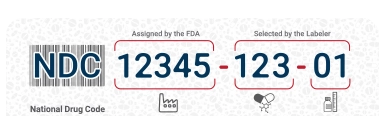
- NDC Labeler Code
- OTC Drug Label Review
- Drug Master File
Need help with an FDA-regulated pain-reliever or fever-reducer product? Our team can assist with Drug Establishment Registration, OTC Drug Listing, NDC Labeler Codes, OTC Drug Label Review, and Drug Master Files.
_______ Related Services _______



Frequently Asked Questions (FAQ)
What is FDA Pain Reliever Monograph M013?
Does M013 cover acetaminophen and aspirin products?
Are ibuprofen, naproxen sodium, and ketoprofen covered by M013?
Are there concentration limits for M013 active ingredients?
What warnings are required for acetaminophen and aspirin products?
Does a pain-reliever product need a Drug Facts panel and FDA drug listing?
_______ Related Services _______