FDA LISTING INC: EXPERIENCED ADVISORS FOR FULL-SERVICE FDA REGISTRATION & COMPLIANCE
+1 212 444 8202


U.S. FDA Registration
& Labeling Compliance Assistance
FDA External Analgesic Monograph M017
FDA External Analgesic Monograph M017 outlines conditions that may apply to over-the-counter external analgesic drug products marketed in the United States, including permitted active ingredients, concentration ranges, labeling, directions, warnings, and related compliance requirements.
OTC Monograph M017: External Analgesic Drug Products
External analgesic products are OTC drug products applied to the skin for temporary relief of minor pain, itching, discomfort, or related symptoms. FDA Monograph M017 covers certain topical analgesic, anesthetic, antipruritic, and counterirritant products, including creams, gels, lotions, ointments, balms, roll-ons, sprays, and similar topical dosage forms.
For brand owners, importers, private-label companies, and manufacturers, key compliance considerations include the active ingredient and concentration, intended use, dosage form, ingredient combinations, Drug Facts labeling, required warnings, directions for use, and FDA drug establishment registration and drug-listing requirements.
External Analgesic Product Categories
FDA Monograph M017 may apply to topical pain-relief creams, muscle rubs, menthol products, capsaicin creams, methyl salicylate products, anti-itch creams, topical numbing products, lidocaine creams, benzocaine products, and certain products intended to provide temporary relief from minor aches, pains, itching, or skin discomfort.
The product format alone does not determine whether a product fits the monograph. Also review the active ingredient, concentration, intended use, dosage form, directions for use, warning statements, and labeling claims. A product’s claims should match the applicable active ingredient conditions and the finished formulation.
Common External Analgesic Active Ingredients
| Active Ingredient | Concentration Range | Common Product Terms |
|---|---|---|
| Menthol | 0.1% to 1% for certain topical anesthetic or anti-itch uses; 1.25% to 16% for counterirritant use | Menthol cream, cooling pain-relief gel, muscle rub |
| Methyl salicylate | 10% to 60% | Muscle rub, joint pain cream, topical pain reliever |
| Camphor | 0.1% to 3% for certain topical anesthetic or anti-itch uses; more than 3% to 11% for counterirritant use | Warming or cooling pain-relief product, muscle balm |
| Capsaicin | 0.025% to 0.25% | Capsaicin cream, arthritis pain cream, topical analgesic |
| Capsicum or capsicum oleoresin | Equivalent to 0.025% to 0.25% capsaicin | Capsaicin topical pain-relief product |
| Lidocaine | 0.5% to 4% for applicable topical external-analgesic uses | Lidocaine cream, numbing cream, topical anesthetic |
| Lidocaine hydrochloride | 0.5% to 4% for applicable topical external-analgesic uses | Lidocaine ointment, topical pain-relief cream |
| Pramoxine hydrochloride | 0.5% to 1% | Anti-itch cream, topical anesthetic, itch-relief product |
| Diphenhydramine hydrochloride | 1% to 2% | Anti-itch cream, insect-bite relief, topical itch relief |
| Hydrocortisone | 0.25% to 1% | Anti-itch cream, itch-relief lotion, rash-relief product |
| Hydrocortisone acetate | Equivalent to 0.25% to 1% hydrocortisone | Anti-itch cream, topical itch-relief product |
FDA Monograph M017 contains distinct conditions for different active ingredients, indications, dosage forms, and combinations. The concentration range for an ingredient may depend on whether the product is a topical anesthetic, antipruritic, or counterirritant product. This table is a simplified overview and does not replace a product-specific review of the complete monograph, including permitted combinations, labeling, warnings, directions, and dosage-form limitations.
Male Genital Desensitizer Products
Male genital desensitizer products are subject to specific M017 conditions and should not be evaluated using the general topical pain-relief table alone. FDA defines these products as drugs applied to the penis to help temporarily slow the onset of ejaculation.
For these products, M017 provides for benzocaine at 3% to 7.5% in a water-soluble base or lidocaine in a metered spray delivering approximately 10 milligrams per spray. Lidocaine spray directions provide for applying 3 or more sprays, not to exceed 10, to the head and shaft of the penis before intercourse, followed by washing the product off after intercourse. Product identity, warnings, directions, container configuration, and labeling should be reviewed against the applicable M017 conditions.
Key External Analgesic Labeling Points
Review external analgesic labeling as part of the finished product’s overall compliance position. Active ingredients, concentration, intended use, dosage form, Drug Facts content, warnings, directions, principal display panel statements, and online marketing should align with the product’s applicable conditions.
Product Claims
External analgesic claims should match the active ingredient, concentration, intended use, and finished product dosage form. Depending on the applicable monograph condition, products may be marketed for the temporary relief of minor aches and pains of muscles and joints, itching, pain and itching associated with minor skin irritations, or local anesthetic effects.
For example, a counterirritant product may make limited temporary-relief claims for minor aches and pains associated with simple backache, arthritis, strains, bruises, or sprains. A product should not use broader claims for chronic pain, disease treatment, inflammation, nerve damage, or other conditions that exceed the applicable OTC monograph indication.
Active Ingredient Statements
The Drug Facts panel should identify each active ingredient and its concentration, along with the corresponding purpose. The product name, front-label statements, and marketing language such as “numbing,” “cooling,” “warming,” “pain relief,” “anti-itch,” or similar terms should match the active ingredient and permitted use.
If a product contains more than one active ingredient, the formulation and labeling should be reviewed for applicable combination conditions. Do not assume that separately permitted active ingredients can be combined in any concentration, dosage form, or claim combination.
Warnings and Directions
External analgesic products generally require product-specific warning statements and directions. Depending on the active ingredient and intended use, warnings may address external use only; avoiding contact with eyes; avoiding use on damaged skin or wounds; avoiding tight bandaging; discontinuing use if irritation occurs; and consulting a doctor if symptoms persist or recur.
Directions should match the active ingredient, product use, dosage form, frequency of application, and applicable age group. A common directions statement does not necessarily apply to every external analgesic product. Products containing hydrocortisone, topical anesthetics, antihistamines, male genital desensitizing ingredients, or combination active ingredients may have different directions, age limitations, or warnings.
Drug Facts Labeling
External analgesic products should include appropriate Drug Facts information, including active ingredients, purpose, uses, warnings, directions, and inactive ingredients. The Drug Facts panel should correspond to the finished product that is commercially distributed.
Review front-label statements, product name, pain-relief claims, numbing claims, anti-itch claims, website content, retailer product descriptions, and advertising for consistency with the Drug Facts panel. Claims on ecommerce listings, social media, and other marketing materials should not expand the product’s permitted intended use.
FDA Monograph Information
This page provides a simplified overview of FDA OTC Monograph M017. It does not include every active ingredient, concentration range, permitted combination, dosage-form requirement, testing requirement, labeling detail, warning, direction, or FDA administrative order that may apply to a specific external analgesic product.
For complete and current requirements, including active-ingredient conditions and administrative orders applicable to OTC external analgesic drug products, review the related official FDA monograph resource.
FDA External Analgesic Compliance Services
External analgesic compliance involves more than selecting a topical active ingredient. A product review may include active ingredients, concentration levels, intended use, dosage form, ingredient combinations, labeling claims, Drug Facts labeling, warnings, directions, manufacturing activities, and drug-listing information.We assist with:
- Drug Establishment Registration
- OTC Drug Listing
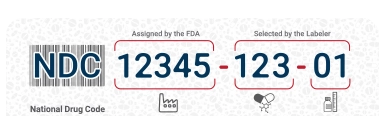
- NDC Labeler Code
- OTC Drug Label Review
- Drug Master File
Need help with an FDA-regulated external analgesic product? Our team can assist with Drug Establishment Registration, OTC Drug Listing, NDC Labeler Codes, OTC Drug Label Review, and Drug Master Files.
_______ Related Services _______


Frequently Asked Questions (FAQ)
Is a topical pain-relief product regulated by FDA as a drug?
What is FDA External Analgesic Monograph M017?
Does M017 cover topical lidocaine products?
Does M017 cover menthol, capsaicin, and methyl salicylate products?
Yes. M017 includes conditions for menthol, capsaicin, methyl salicylate, camphor, and other counterirritant ingredients. The product should meet the applicable concentration, formulation, claim, and labeling conditions.
Can a topical pain-relief product make arthritis or backache claims?
Does an external analgesic product need a Drug Facts panel?
Does an external analgesic product need FDA drug listing?
_______ Related Services _______